
York · 24/7
Safe Opening in York
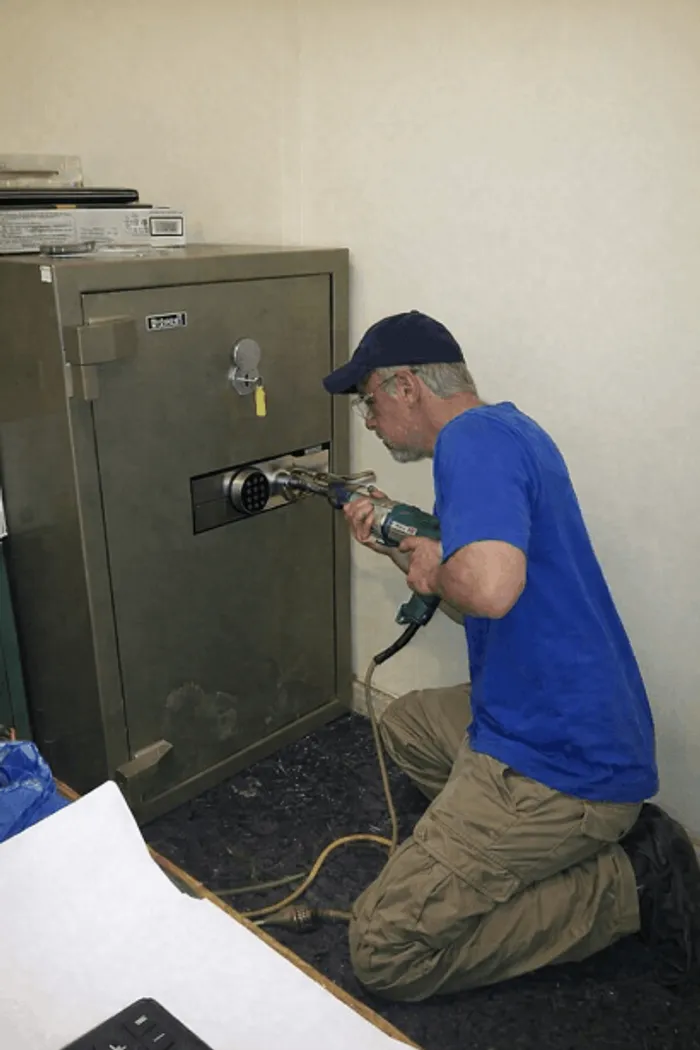
York's older properties, particularly the period conversions around Bishophill and the Victorian terraces of Fishergate, often contain safes whose age matches the building itself, with combinations lost or mechanisms simply worn beyond turning. Our safe engineers favour non-destructive opening wherever the lock and boltwork allow it, preserving the unit for continued use. We ask for proof of ownership before any work begins.
- Fixed quotes
- DBS-checked
- Insured work
- Local engineer
The local picture
Safe Opening for York properties
In the period conversions of Bishophill, safes are often fitted into original alcoves or beneath staircases, sometimes decades before the current owner acquired the property. Where a lost combination or a worn key leaves a safe inaccessible, our safe engineer begins with verification: proof of ownership is required before any work commences, in keeping with industry practice and the sensitivities of a conservation area. From there, the approach is assessed on its merits, with non-destructive opening the preferred method wherever the mechanism allows.
In Clifton's larger detached houses, safes tend to be modern, often wall or floor mounted, with electronic locking and multiple boltwork points. These units generally respond well to manipulation or specialist decoding, avoiding damage to the casing or surrounding cabinetry. Where a fault lies in the electronics rather than the mechanical boltwork itself, diagnosis before intervention saves both time and unnecessary disruption.
Around Fulford and the student HMO properties near the university, older commercial safes occasionally turn up in shared houses, left by previous tenants or landlords with no accompanying documentation. Here, establishing proof of ownership becomes especially important before any opening proceeds. Once verified, our engineer selects the least invasive method suited to the specific make and boltwork configuration, restoring access without compromising the unit's future security.
Good to know
Safe Opening — your questions
What proof will a locksmith need before opening a safe at my property?
Before any work begins, a safe engineer will ask for proof of ownership, such as a purchase receipt, insurance schedule or correspondence confirming the address matches the safe's location. This is standard practice across York, whether the property is a period conversion in Bishophill or a post-war semi in Rawcliffe. Without satisfactory documentation, a reputable firm will decline the job regardless of the circumstances.
Will opening my safe damage it, and what determines whether drilling is necessary?
Wherever possible, a safe engineer will attempt non-destructive opening first, using manipulation or decoding techniques suited to the lock type, particularly important for older mechanisms found in Victorian terraces around Fishergate. If the boltwork has jammed or the lock has failed internally rather than simply losing its combination, drilling may become unavoidable. The decision usually depends on the safe's age, manufacturer and whether original keys or combination records still exist.
I've lost the combination to an old safe left in a Bishophill property. What happens next?
A lost combination on an inherited or older safe is common in York's listed buildings and period conversions, and the approach depends on the manufacturer and lock class. A safe engineer will first check for identifying plates or serial numbers, as some manufacturers can supply the combination once ownership is verified. If no records exist, non-destructive opening is attempted before considering drilling, with repair or replacement of the lock afterwards depending on the safe's condition.
Where we work
Covering York
Our engineers are local, so response times stay short across these neighbourhoods:
- Strensall
- Nether Poppleton
- Middlethorpe
- Bishophill
- Ouse Acres
- Layerthorpe
- Fishergate
- Clifton
Postcode districts: LS24 · YO1 · YO10 · YO19 · YO23 · YO24 · YO26 · YO30 · YO31 · YO32 · YO41 · YO60
Also from us